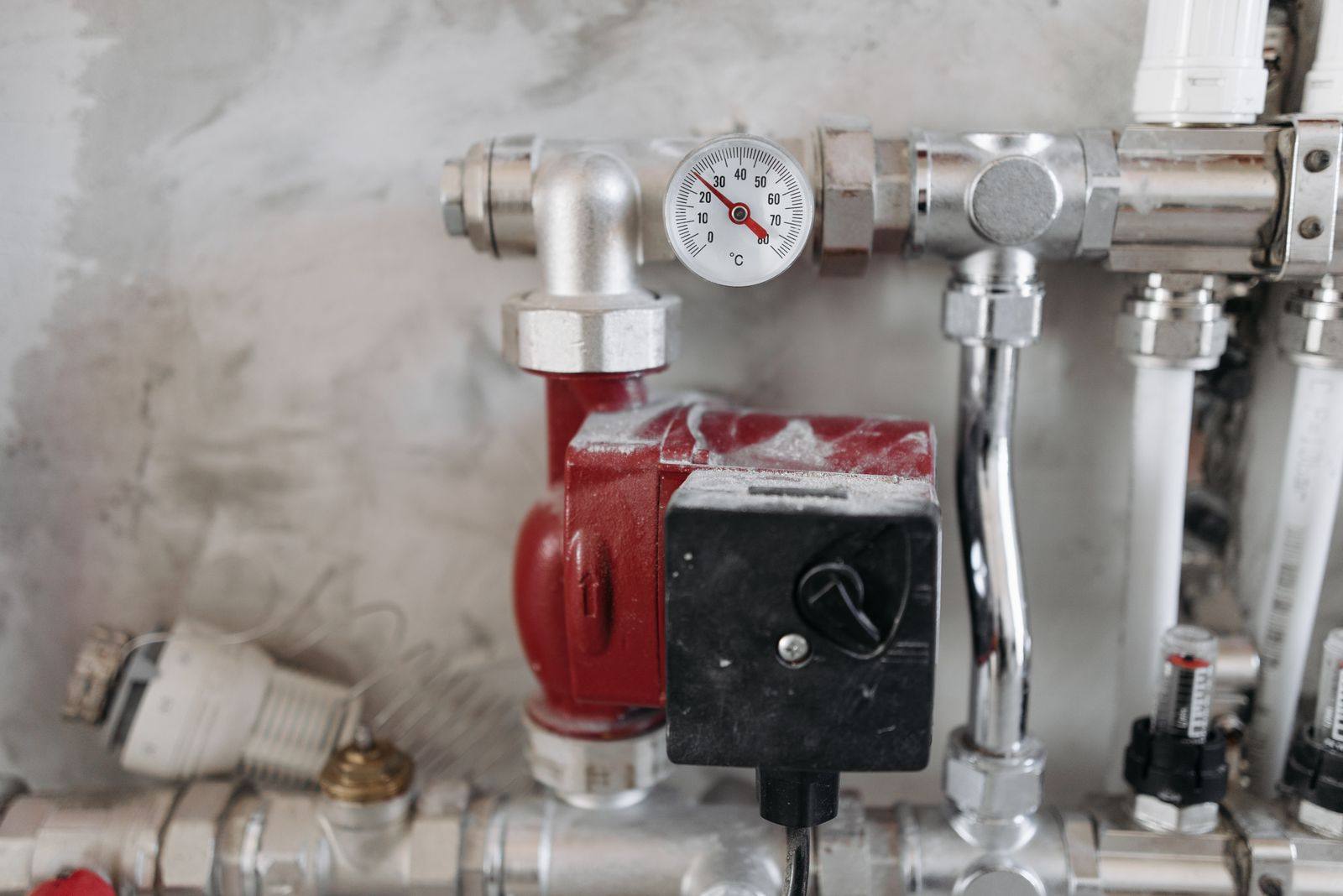
Salt air and your water heater
Homes near the coast in Los Angeles and Orange Counties live with salt air every day, and salt air is hard on metal. Fittings, vents, gas connections, and exterior components corrode faster a few blocks from the beach than they do a few miles inland — and a water heater is mostly metal, sitting in a garage or closet with air moving through it.
What salt air does
Corrosion starts on the outside: fittings and pipe connections, the venting, the gas valve, and the jacket of the unit itself. Left alone, it works inward — a corroded fitting eventually leaks, and a corroded vent eventually needs replacing. The tank itself is protected by its anode rod, but the rod wears faster where the water is mineral-rich, and coastal homes get both problems at once.
What helps
A maintenance visit in a coastal home includes a look at the fittings, the venting, and the exterior of the unit, not just the burner and thermostat. Replacing a corroded fitting early is a small job; replacing a corroded vent or a leaking connection after it fails is not. Keeping the area around the heater dry and ventilated helps, and so does flushing the tank on schedule — sediment and corrosion together shorten a tank's life faster than either alone.
Tankless on the coast
A tankless unit's heat exchanger is sensitive to scale from mineral-rich water, and its venting is exposed to the same salt air as a tank unit's. Descaling on schedule and a venting check are what keep a coastal tankless unit alive.
What to ask a provider
Tell the provider how close the home is to the coast. Ask for a corrosion check on the fittings and venting as part of any maintenance or repair visit, and whether the anode rod needs checking more often than once a year. The maintenance page explains what a tune-up covers.
Frequently Asked Questions
How close to the coast does salt air matter?
The effect is strongest within a few blocks of the beach and fades with distance, but homes several miles inland still see more corrosion than homes in the valleys. A provider who has seen the installation can judge it.
Does salt air affect the water inside the heater?
No — salt air attacks the outside of the unit and its connections. The water inside is a separate problem, driven by mineral content.
Should coastal homes replace heaters sooner?
Not necessarily sooner, but they should be inspected more carefully. A heater that is maintained — flushed, anode checked, fittings inspected — lasts as long on the coast as anywhere else.