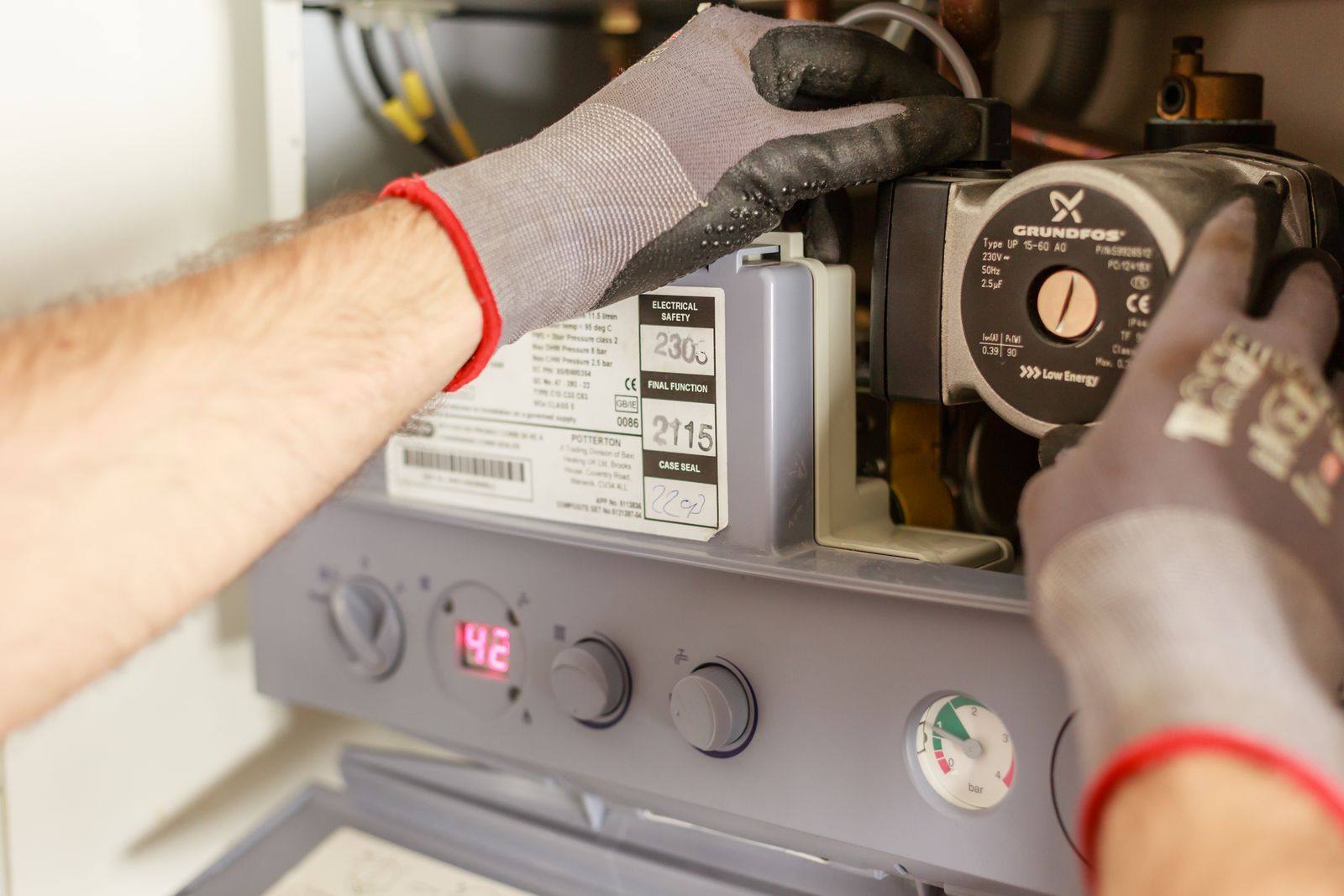
Maintenance that actually matters in Los Angeles
A water heater is one of the few appliances in a home that fails slowly and then all at once. Sediment builds up month by month, the anode rod wears down year by year, and nothing looks wrong — until the hot water runs out early, the tank starts popping, or a leak appears. Maintenance is the boring work that stops that from happening: flushing, checking the anode rod, and, for tankless units, descaling.
Annual flushing
Flushing drains the tank and washes out the sediment that has settled at the bottom. In mineral-rich water areas, sediment is the main reason a tank heater loses capacity and starts making noise. A flush once a year keeps the build-up from hardening into a layer that cannot be removed. If the heater has never been flushed and is already noisy, a flush helps — but heavy, hardened sediment sometimes cannot be fully cleared.
The anode rod
The anode rod is a sacrificial metal rod inside the tank that corrodes so the tank does not. Once it is gone, the tank itself starts rusting. A maintenance visit includes checking the rod and replacing it when it is worn — a small job that adds years to a tank's life, and one of the cheapest ways to avoid a replacement.
Tankless descaling
A tankless unit has no tank to flush, but its heat exchanger collects scale the same way a tank collects sediment. Descaling — circulating a cleaning solution through the exchanger — is usually needed once a year where the water leaves minerals behind. Skipping it shortens the unit's life and can void the warranty.
What a tune-up includes
A maintenance visit typically covers flushing or descaling, an anode-rod check, a relief-valve test, a thermostat check, and an inspection of the venting, gas or electrical connections, and supply lines for corrosion or leaks. The provider notes anything that needs attention before it becomes a failure.
How often?
Once a year is the right interval for most homes here. Homes on well water, homes with very mineral-rich water, and homes with large households that use a lot of hot water may need it more often. A provider who has seen your heater can set the interval.
Frequently Asked Questions
How do I know if my water heater needs flushing?
Popping or rumbling noises, hot water running out sooner than it used to, and rusty water are the usual signs. If the heater has never been flushed, it almost certainly needs one.
Can I flush my own water heater?
Some homeowners do, but it involves hot water, a drain, and a relief valve that must be handled correctly. If you are not comfortable with that, include it in a maintenance request instead.
Does maintenance really extend a heater's life?
Yes — flushing and anode-rod replacement are the two things that most directly decide how long a tank lasts. A heater that is never maintained typically fails years earlier than one that is.
Do you offer maintenance in Los Angeles?
Maintenance requests are accepted from every ZIP code listed on the service area page.